
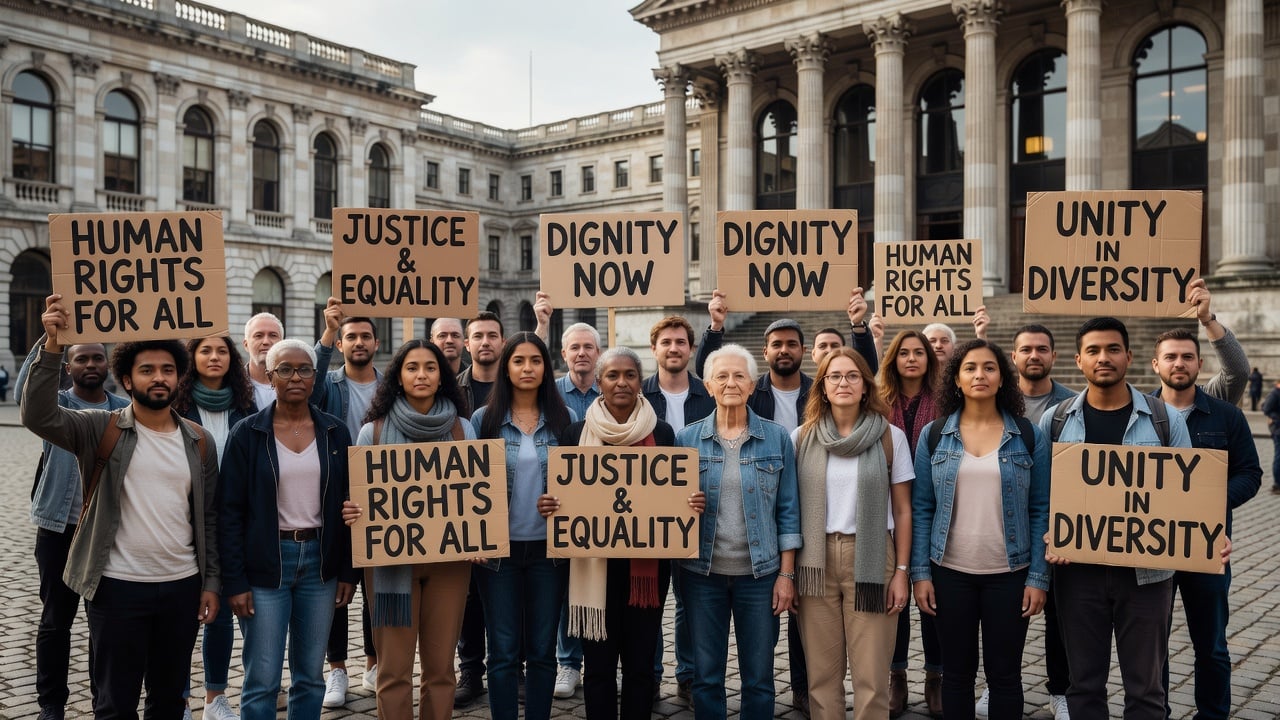
In 2020, governments imposed harsh measures to fight Covid-19 that violated human rights on a massive scale. Surprisingly, many human rights groups stayed silent. This article explores why this happened and ways to better protect freedoms in the future.
During 2020, governments across the globe reacted with fear when a pandemic was announced. They introduced tough measures aimed at slowing the spread of Covid-19. These actions limited personal freedoms in ways never seen before. Rights to gather, travel, and work were restricted without enough evidence that such steps were truly necessary.
It is surprising that these violations gained wide acceptance. Human rights groups that normally defend liberties often remained silent or backed the policies. This response shows how fear can override long-standing principles. The lack of strong pushback allowed leaders to expand their power in the name of public health.
Looking ahead, better safeguards are essential to protect rights after the pandemic era. New laws should demand solid proof before any limits on freedoms. Global standards need updates to deal with health crises while preserving democracy. Education on rights can help citizens demand accountability. By strengthening these protections now, we can avoid repeating past mistakes and ensure a balance between safety and liberty for all.
Original Author: Michael Tomlinson | Source: Brownstone Institute
 356.156 SRY