
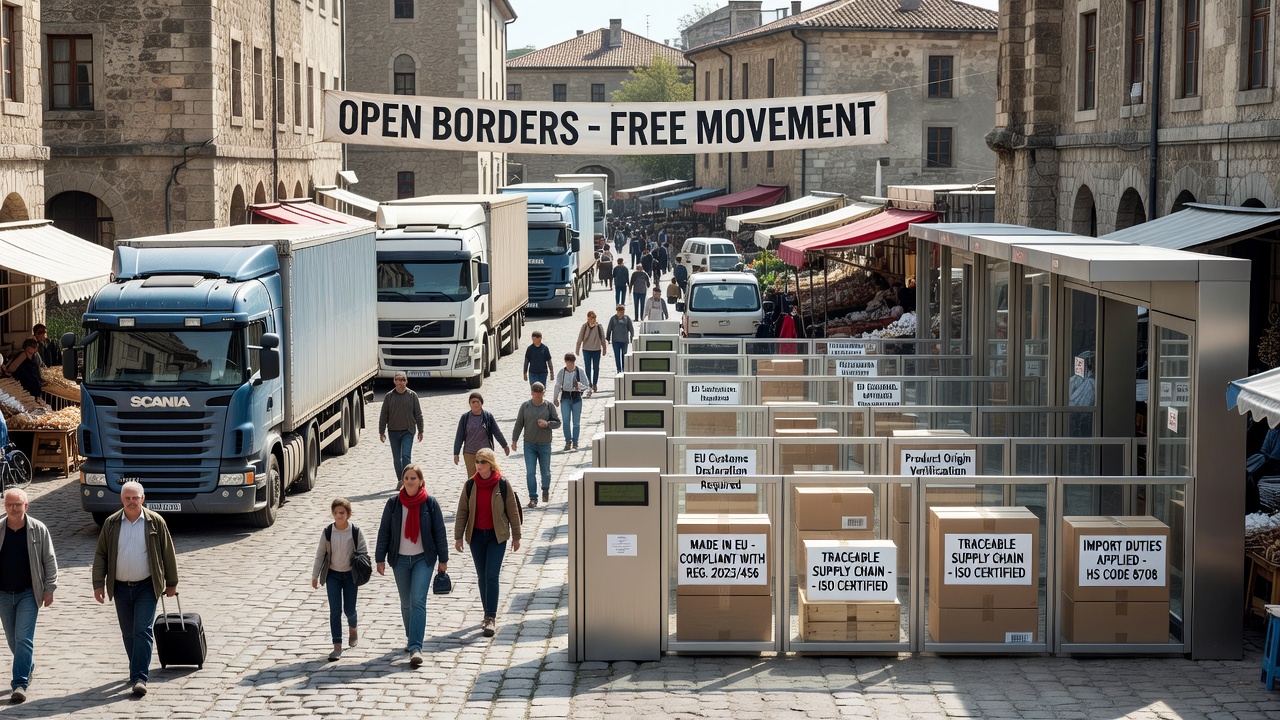
After World War II, Europe created a single market to remove trade barriers and boost growth. Today, fresh regulations are adding restrictions that risk undoing decades of progress and unity.
After World War II, several European nations sought to rebuild their economies by removing customs tariffs and opening borders. They allowed goods, people, services, and capital to flow freely across countries. This bold vision grew into the single market, which became a cornerstone of European cooperation and economic strength.
The single market helped businesses expand without extra costs or delays at borders. Consumers gained access to more products at lower prices, while workers found jobs in different nations. Over time, it turned Europe into one of the largest and most integrated trading areas in the world.
Yet recent policies on packaging and other rules are now creating new hurdles. These measures add layers of requirements that slow trade and raise costs. As a result, the open system that once drove success faces growing limits that could weaken its benefits.
Original Author: Cláudia Ascensão Nunes | Source: FEE
 693.089 SRY